Node.js
Node.js Child Processes: spawn, exec, and fork Explained
Sometimes Node needs to shell out to run ffmpeg, a Python script, or a system command. The child_process module gives you four ways to do it, and each has...
7 articles found
Sometimes Node needs to shell out to run ffmpeg, a Python script, or a system command. The child_process module gives you four ways to do it, and each has...

Buffers tripped me up for a while. They're how Node handles raw binary data outside the V8 heap, and once you actually understand what's happening with...
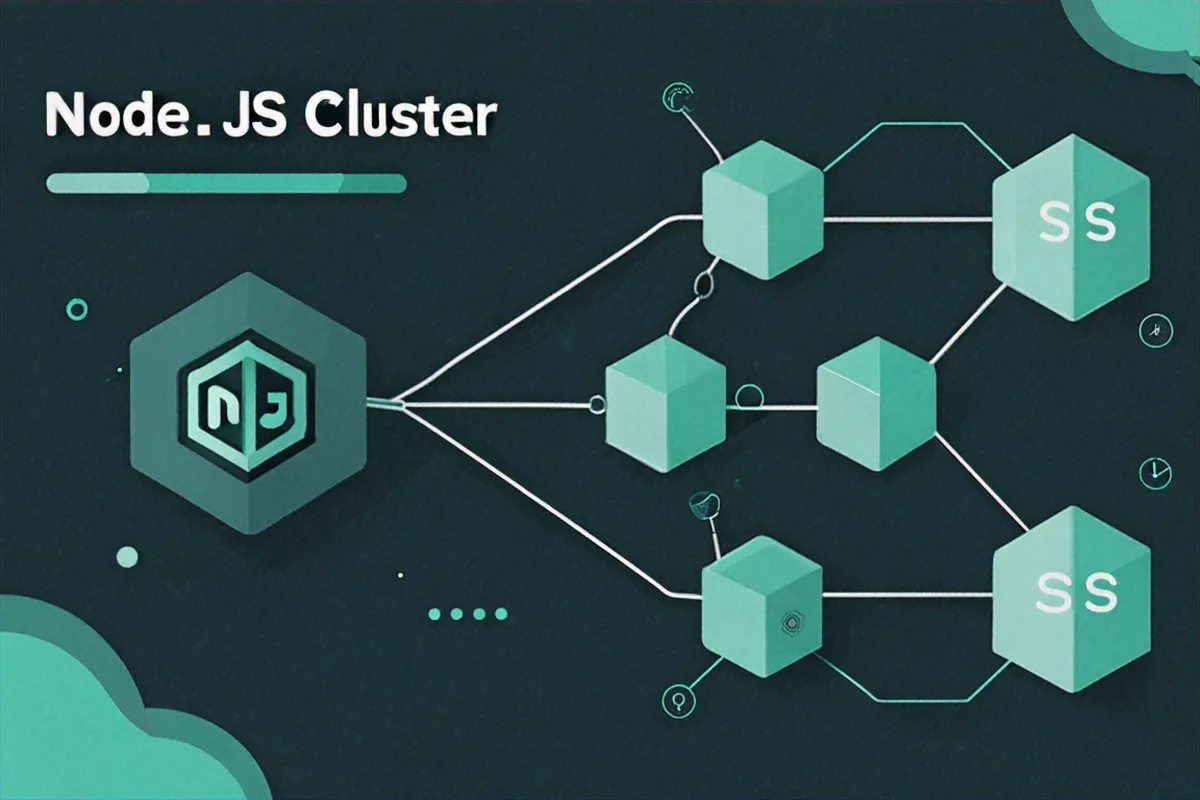
Our API went down on a Saturday because we were running a single Node process on a single core with no recovery plan. This post walks through what we...
I got tired of repeating the same terminal commands, so I built a CLI tool with Node.js over a weekend. Here's how I set up argument parsing, interactive...
Streams are the reason Node.js can handle giant files without running out of memory. Most tutorials explain the theory and skip the parts that actually...

I've been asked about the event loop more than any other Node.js topic. Here's how I finally made sense of it -- why Node can juggle thousands of connections.