Node.js
Node.js Streams: The Complete Guide
Streams are the reason Node.js can handle giant files without running out of memory. Most tutorials explain the theory and skip the parts that actually trip you up. This one doesn't.
8 articles found
Streams are the reason Node.js can handle giant files without running out of memory. Most tutorials explain the theory and skip the parts that actually trip you up. This one doesn't.
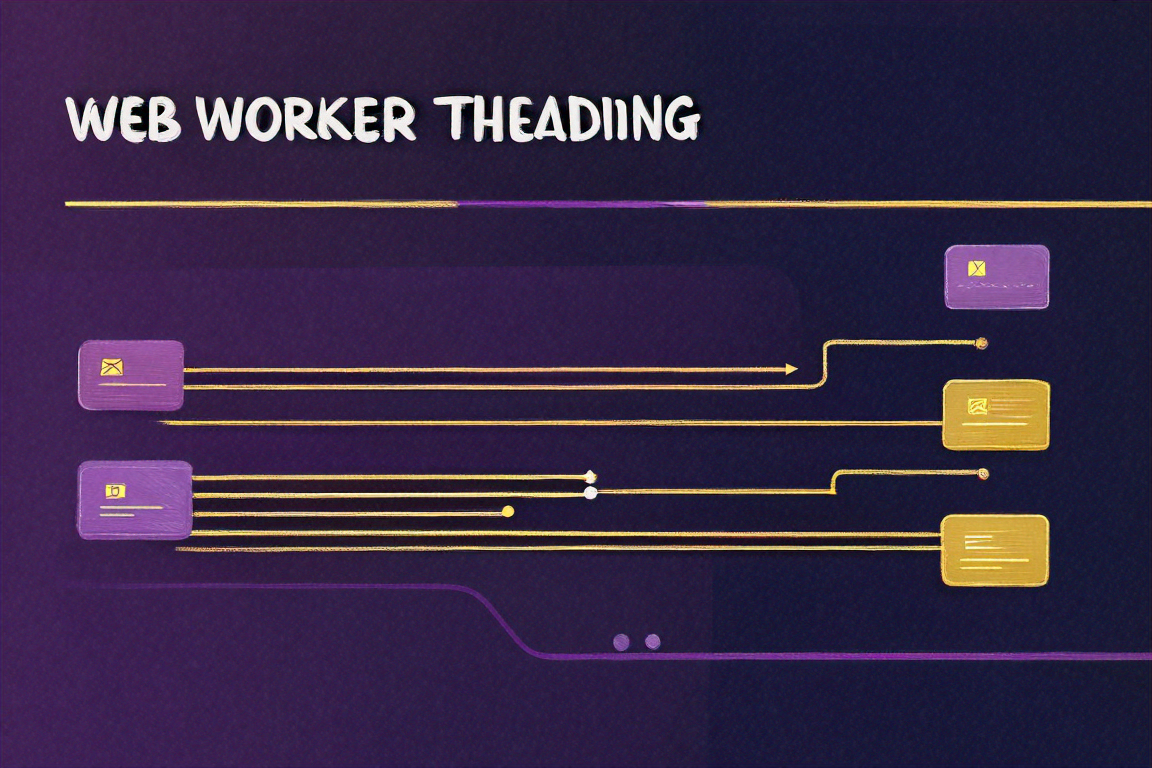
JavaScript runs on a single thread, and the moment you throw something heavy at it, the whole page locks up. Web Workers give you actual background threads that run in parallel with the main thread. Here is how to use dedicated workers, shared workers, transferable objects, and worker pools — with real examples like image processing and large file parsing.
I burned a lot of hours on cache invalidation before I figured out which Redis patterns actually hold up under load. Here's what I settled on after running caching in production across several Node.js services.

Database indexes are one of the most powerful tools for optimizing query performance. Learn how B-tree indexes, hash indexes, composite indexes, and more work under the hood, and discover strategies for indexing in both PostgreSQL and MongoDB.

I've used Sequelize, TypeORM, Knex, and raw SQL in production. Prisma is the first ORM where I actually trust the types. Here's what makes it different, where it shines, and the gotchas nobody warns you about.

I've been asked about the event loop more than any other Node.js topic. Here's how I finally made sense of it -- why Node can juggle thousands of connections on one thread, and the mistakes I kept making that blocked it.